
Flood-damaged vehicles present significant safety, reliability, and financial risks to buyers. While some signs of water exposure are immediately visible, many indicators remain hidden beneath interior trim, electrical systems, and mechanical components. Sellers may attempt to conceal flood damage through cosmetic repairs or intensive detailing.
This article outlines the key indicators used to identify flood-damaged vehicles during pre-purchase inspections. Understanding these warning signs helps buyers avoid vehicles with compromised systems and long-term reliability issues.
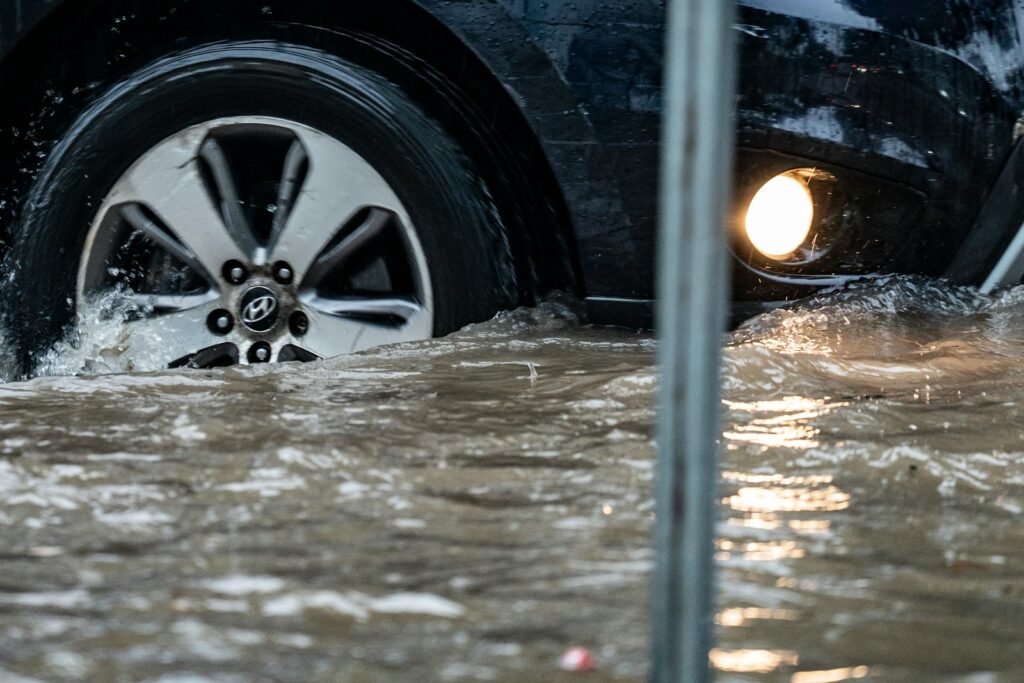
Visual Indicators
Flood damage leaves distinct visual evidence that experienced inspectors can identify during assessment. Water exposure creates staining, residue, and material degradation that does not occur through normal use.
Carpets and floor mats should be examined for water stains, discolouration, or embedded mud. Flood-damaged vehicles often retain debris beneath seats, along sill panels, and under interior trim.
Door panels, lower dashboard seams, and interior plastics may display visible water lines. These marks often indicate the depth of flooding and assist in determining damage severity.
Odor Detection
Persistent musty or mildew odours are strong indicators of moisture damage. Flood-exposed vehicles develop smells that routine cleaning or deodorising cannot permanently remove.
Vehicles should be aired out before inspection to assess residual dampness. While professional detailing may temporarily mask odours, moisture trapped in insulation and padding continues to deteriorate materials.
Ventilation systems are particularly vulnerable. Activating the climate control and checking for musty smells from air vents can reveal hidden mould growth.
Electrical Systems
Electrical systems are highly sensitive to water exposure. All electronic components, including power windows, central locking, infotainment systems, and mirrors, should be tested individually.
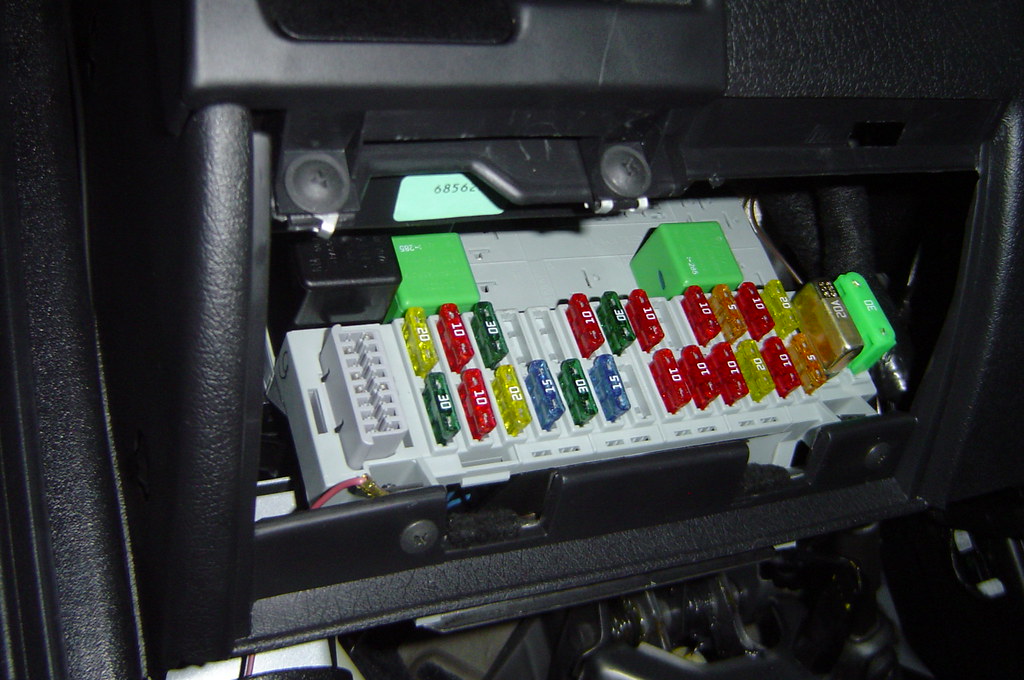
Corrosion commonly appears on fuse boxes, wiring harnesses, and electrical connectors. Moisture accelerates oxidation, leading to intermittent failures and unpredictable faults.
Dashboard warning lights that illuminate sporadically may indicate short circuits caused by water intrusion rather than genuine sensor failure.
Interior Materials
Interior materials absorb and retain moisture, resulting in lasting damage. Upholstery may show staining patterns, mildew growth, or discolouration inconsistent with standard wear.
Carpeting may feel damp, stiff, or shrunken. Water-saturated materials rarely return to original condition and often degrade over time.
Headliner fabric may sag or display water stains as moisture weakens adhesive bonds, a common indicator of prolonged exposure.
Rust Formation
Unusual rust formation is a critical warning sign of flood exposure. Inspect door hinges, seat mounts, seatbelt anchors, and floor pan areas for excessive corrosion.
Flood damage causes rust in locations not typically exposed to moisture during normal driving. These corrosion patterns differ from age-related surface rust.
Lifting carpets or trim panels often reveals hidden oxidation, confirming prolonged water exposure.
Mechanical Components
The engine bay may show mineral deposits, corrosion, or debris consistent with water immersion. Air filter housings should be inspected for mud or moisture residue.
Transmission and differential fluids contaminated by water often appear milky or cloudy. Fluid contamination can lead to severe mechanical failure if not identified early.
Brake components corrode rapidly following water exposure. Calipers, discs, and brake lines should be examined for abnormal rust and performance issues.
Documentation
Vehicle history reports may disclose flood or water damage classifications. PPSR records and insurance claims often reveal prior flood-related write-offs or claims.
Title status such as salvage or rebuilt classifications frequently indicates catastrophic damage history, including flooding.
Service records showing repeated electrical repairs or moisture-related component replacements may signal unresolved flood damage.
Professional Inspection
Mobile Vehicle Inspections conducts comprehensive flood damage assessments across Melbourne. Inspectors evaluate over 200 inspection points, including moisture detection, corrosion analysis, and electrical system testing.
Specialised equipment is used to identify hidden water intrusion, with findings documented through detailed written reports and photographic evidence.
Risk Prevention
Preventing the purchase of a flood-damaged vehicle begins before inspection. Reviewing vehicle history and considering recent weather events in the seller’s region provides early risk indicators.
Inspections should be conducted during daylight hours, as proper lighting reveals subtle signs of water damage. Moisture meters offer additional confirmation where visual evidence is limited.
Risk Prevention
Flood damage significantly reduces vehicle safety, reliability, and resale value. Professional inspection is the most effective method to identify concealed water exposure before purchase.
Engaging a qualified inspection service provides objective assessment and protects buyers from costly long-term repairs associated with flood-damaged vehicles.
Flood-damaged vehicles often conceal serious defects that compromise performance and safety. Buyers should apply structured inspection methods, verify documentation, and engage professional inspectors to confirm vehicle condition. The recommended next step is to obtain a certified pre-purchase inspection to mitigate financial and mechanical risk before purchase.

