
Purchasing a pre-owned electric vehicle (EV) can provide both cost savings and environmental benefits. However, unlike conventional gasoline-powered cars, EVs come with unique systems and considerations that require close attention. Buyers who understand these factors are better positioned to make a secure and worthwhile investment.
Battery
The high-voltage battery is the most critical part of an EV. Its condition directly affects driving range, performance, and resale value. Battery health is measured by State of Health (SoH), which compares the current capacity to the battery’s original design capacity. A lower SoH means reduced driving range and potential long-term issues. Climate exposure, charging habits, especially frequent use of fast charging—and mileage all influence battery condition. Request a detailed report on battery SoH before purchase.
Charging
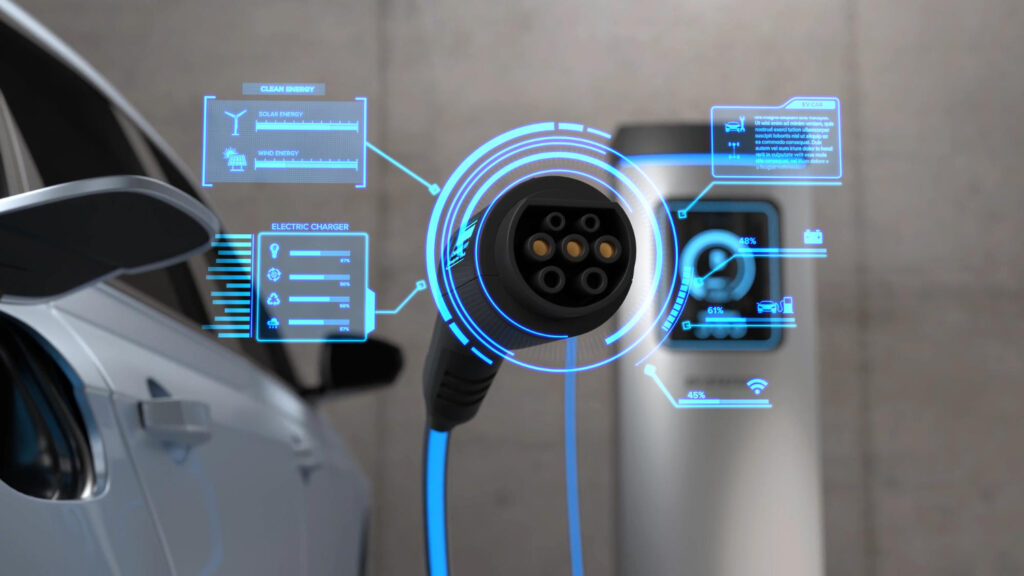
A thorough inspection of the charging system is essential. Most EVs have two charging options:
- AC charging: Level 1 (standard outlet) and Level 2 (240V, faster home or public charging).
- DC fast charging: Provides rapid charging at public stations, typically through CCS or the emerging NACS standard.
Ensure the charging ports are undamaged and all systems function properly. Confirm that the original charging cable is included, as replacements can be costly.
Software
Modern EVs rely on integrated software to manage the powertrain, safety systems, and infotainment. Confirm the vehicle is running the latest software version and ask about Over-the-Air (OTA) update capability. Regular updates are critical for maintaining security, optimizing performance, and unlocking new features.
Warranty
Warranty protection is especially valuable for EVs. Many manufacturers provide separate coverage for the battery, often lasting 8 years or 100,000 miles. This warranty typically guarantees the battery will retain a minimum percentage of capacity. Buyers should confirm whether warranties transfer to new owners and clarify any exclusions. This coverage can significantly reduce financial risk.
Inspection
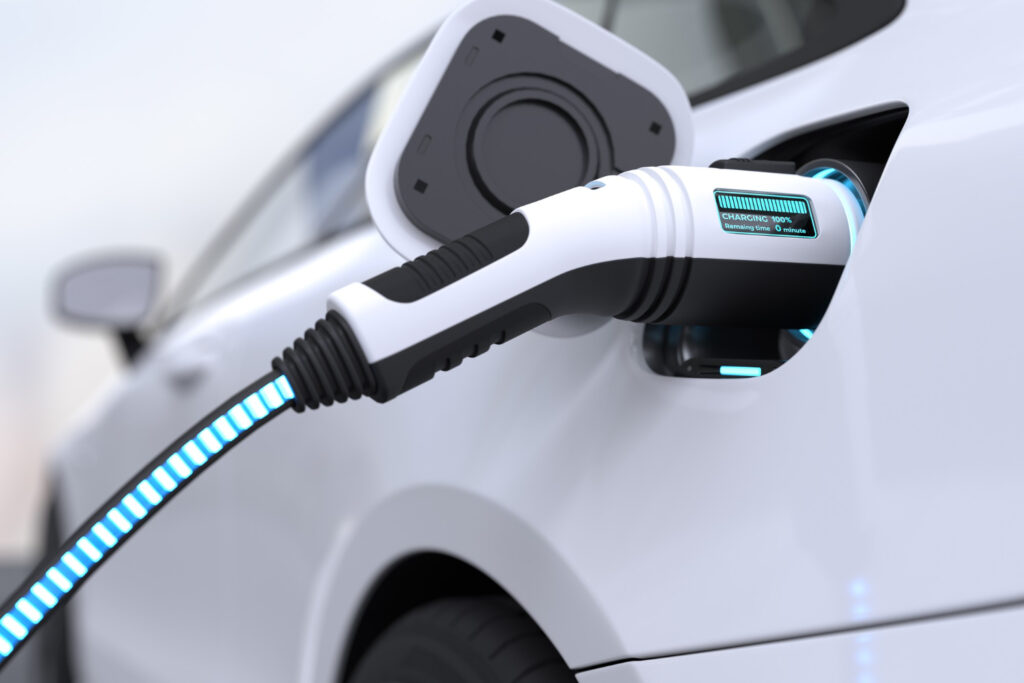
A pre-purchase inspection (PPI) is strongly recommended for any used EV. Unlike a standard vehicle inspection, an EV-focused PPI is conducted by technicians trained in high-voltage systems and advanced diagnostics.
Focus
Specialists examine key components, including:
- Battery State of Health and cooling system performance
- Motor and power electronics function
- Charging system operations, both AC and DC
- Software version and update record
- High-voltage wiring and safety features
This level of detail provides a more accurate picture of the vehicle’s true condition than a conventional inspection.
Managing Costs
Battery replacements and major electrical repairs can be expensive. A detailed inspection helps identify potential problems early, preventing unexpected expenses after purchase. By addressing risks in advance, buyers can avoid the financial strain of sudden high-cost repairs.
Negotiation
Inspection results also support fair pricing discussions. Any identified issues—such as reduced battery health, charging malfunctions, or software discrepancies—can be used to negotiate repairs or a price adjustment. This ensures the purchase reflects the vehicle’s actual condition.
Purchasing a used EV can be a financially and environmentally sound decision when approached with care. By evaluating the battery, charging system, software, and warranty coverage, and by securing a specialist inspection, buyers can make an informed choice that balances value, reliability, and long-term cost control.
